

Choosing a Pilates Reformer for Physical Therapy
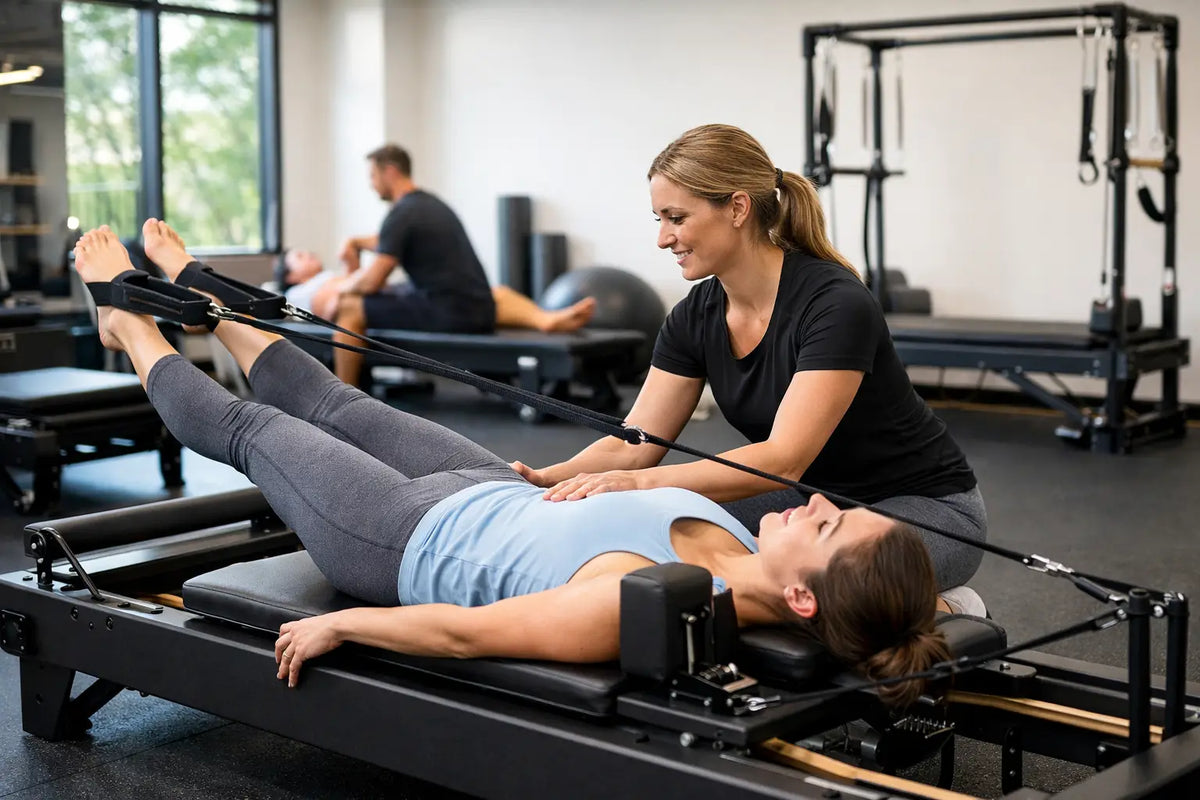
A Pilates reformer for physical therapy is not simply a studio machine with springs. In a clinical, wellness, or performance setting, it must provide predictable resistance, secure patient positioning, smooth carriage travel, and enough adjustment range to support a therapist-led progression. The right model helps create a controlled movement environment. The wrong one can limit exercise options, complicate transfers, and add unnecessary operational friction.
For physiotherapy practices, longevity clinics, premium gyms, and home users working under professional guidance, the purchase decision should start with how the reformer will be used, not with the appearance of the frame. Load capacity, spring configuration, carriage comfort, vertical storage requirements, accessory compatibility, and service support all affect the daily experience.
Why Reformers Work Well in Therapist-Led Training
A reformer uses a moving carriage and adjustable spring resistance to make movement more supported, more measurable, and easier to modify than many floor-based exercises. Rather than relying only on body weight, the practitioner can change the spring load, body position, range of motion, and point of contact with the footbar, straps, or platform.
That versatility matters when a client needs a lower-impact training option, requires more stability during a movement, or is gradually building confidence with a pattern such as squatting, pressing, pulling, or trunk control. Springs can assist a movement in one setup and challenge it in another. This gives a qualified professional more options than a fixed-resistance machine typically allows.
A reformer also creates useful physical feedback. The carriage moves when force is applied, and the springs reveal whether that force is controlled. For a therapist or coach, this can make changes in pacing, symmetry, and movement quality easier to observe. It does not replace clinical assessment or a personalized care plan, but it can be a highly effective training platform within one.
Pilates Reformer for Physical Therapy: Features That Matter
Not every reformer is designed for the demands of a busy clinical or commercial environment. A boutique studio may prioritize a refined finish and quiet operation, while a physiotherapy practice may need more transfer-friendly access, broader adjustability, and durable upholstery that can handle frequent cleaning. The best specification depends on the setting.
Carriage travel, width, and cushioning
A smooth, stable carriage is fundamental. Look for a carriage that tracks cleanly without rattling, sticking, or side-to-side movement. Longer carriage travel generally gives taller users more room and expands exercise options, but it also affects the total machine footprint.
Carriage width and padding deserve equal attention. A generously sized, well-cushioned surface can improve comfort during supine, side-lying, kneeling, and seated work. In a professional facility, choose commercial-grade upholstery that is durable, easy to maintain, and resistant to frequent use. Seams, stitching, and padding density may seem like minor details during a showroom comparison, but they become highly visible after hundreds of sessions.
Spring resistance and adjustment range
Springs are the reformer's resistance system, so their quality and range determine much of the machine's usefulness. A practical setup includes multiple springs with clearly differentiated tensions, allowing the user to create light, moderate, or heavier resistance combinations.
More springs do not automatically mean a better reformer. What matters is whether the resistance options are clearly graduated, easy to identify, and suitable for the intended users. A therapist-led environment often benefits from lighter spring choices for supported movement, as well as enough total resistance for stronger clients and performance-focused programming.
The spring bar should adjust securely and intuitively. Staff should be able to change settings quickly without ambiguity, and the hardware should feel solid under repeated loading. A clearly marked configuration system also supports consistency when several professionals use the same equipment throughout the day.
Footbar, straps, and shoulder rests
The footbar should offer several positions and lock firmly into place. Different heights and distances can accommodate a wider variety of body proportions and exercise setups. Check that adjustment points are easy to operate but not so loose that they invite accidental movement.
Ropes or straps should run smoothly and adjust efficiently. Quality pulleys, clean rope travel, and durable handles reduce distraction for both client and practitioner. Shoulder rests need to be stable, comfortably padded, and removable or adjustable when the exercise requires a more open platform.
Accessories can extend a reformer's versatility, but they should serve a clear programming purpose. Boxes, jump boards, platforms, poles, and additional handles can be valuable for specific exercise progressions. Before selecting a package with every available attachment, consider what your team will genuinely use and where those accessories will be stored.
Choose the Right Frame for Your Space
A reformer has a considerable physical presence. Measure not only the equipment length and width, but also the clearance needed for safe access, strap work, and a therapist moving around the machine. In multi-reformer studios, spacing affects the client experience, instructor visibility, cleaning access, and emergency circulation.
Frame height is another meaningful choice. A standard-height reformer may suit experienced studio clients and spaces where a lower profile is preferred. A raised frame can make getting on and off the carriage easier for some users and can be more practical for practitioners who work beside the equipment throughout the session. Neither format is universally better. The client population and treatment workflow should decide.
If space is limited, evaluate standing storage only when the manufacturer specifically supports it. Vertical storage can be useful in premium home gyms, hotel wellness rooms, and flexible training studios, but it must not compromise safe handling or daily setup. Confirm the stored dimensions, locking method, wheel quality, and whether accessories must be removed first.
Clinical, Studio, or Home Use Changes the Specification
A high-end home buyer may need a quiet, compact reformer that looks appropriate in a modern residential setting while still delivering professional-grade movement quality. In that case, finish quality, storage, and simple adjustment mechanisms may carry more weight.
For a physiotherapy or rehabilitation setting, prioritize broad usability and staff efficiency. A raised platform, reliable adjustment points, durable surfaces, and a spring range that supports varied client needs are usually more valuable than decorative details. Facilities with multiple practitioners should also consider standardized equipment across treatment rooms, so staff do not have to relearn settings from one machine to another.
Boutique Pilates studios typically need sustained durability under back-to-back classes. Here, carriage performance, ropes, springs, frame rigidity, and ease of cleaning are commercial priorities. A polished design still matters, especially in hospitality and luxury wellness environments, but it should complement the equipment's engineering rather than substitute for it.
Evaluate Safety Through Daily Use, Not Marketing Language
A premium reformer should feel secure at every touchpoint. Test the carriage movement, footbar lock, spring hooks, pulley movement, shoulder rests, and platform transitions. Listen for excessive noise and look for any flex in the frame during normal loading. A stable, well-engineered machine gives the practitioner confidence to focus on coaching rather than managing the equipment.
Review the manufacturer's stated maximum user capacity and follow it. This figure should be considered alongside the intended use, not treated as a reason to overload the machine. Also confirm the warranty terms for the frame, carriage, springs, upholstery, and moving components. These parts experience different types of wear and may be covered differently.
In a professional setting, establish a simple inspection routine. Staff should check springs for wear, verify that ropes and clips are intact, inspect upholstery, and confirm that adjustment mechanisms engage properly. Springs and ropes are consumable components, not permanent fixtures. Replacing them on the manufacturer's recommended schedule helps preserve consistent performance and safer operation.
Plan the Purchase Around the Full Equipment Experience
The reformer itself is only one part of the investment. Delivery access, assembly, placement, staff familiarization, maintenance availability, and replacement-part support should be considered before ordering. This is especially relevant for commercial sites, where equipment downtime can disrupt appointments, classes, and member expectations.
For facilities in the Gulf region, working with a provider that can support equipment planning, delivery, assembly, and after-sales maintenance can simplify a complex installation. 1RM can help buyers compare premium Pilates and rehabilitation equipment specifications against the intended room layout, user profile, and operational requirements.
The most suitable reformer is the one that lets a qualified professional spend less time adapting around equipment limitations and more time guiding purposeful movement. Choose for the people who will use it every day, the space it must serve, and the level of reliability your setting requires.
Choosing the Right Cable Machine for Home GymNext →
Hydrotherapy Bed Recovery Benefits Explained